
Planting Perennials for Color all Season
Purchasing perennials is a great decision for any gardener. Perennials can provide us with different colors and textures at different times of the year. In spring, the creeping phlox creates a carpet of pastel purples and pinks. Throughout summer, the coneflower spring to life and show us their diverse colors. And in fall, those same creeping phlox will bring on a bright yellow color. The coneflower will be dried out, which invites the native gold finch. Then winter comes, and the perennials lay to rest. But when spring arrives, the cycle continues again. The first year of planting can be the most challenging, but if taken care or properly, perennials will return for many years.
In order to have success with perennials, you will first have to learn about your own garden. How much sun do certain parts get? 2-4 hours of sun (Shade) 4-6 hours of sun (Partial) or 6+ hours of sun (Full). What type of soil to you have? Silt, Sand, Clay, Loam etc. Is the location close to the road where it will be exposed to salt and rough winter conditions? Is the location sheltered and protected from wind? Do you get traffic from wild herbivores? How much space is available? What USDA Hardiness Zone are you in? Those are the most important question to ask yourself before you start to pick out plants.
All Perennials at 43 Farms will come with a tag. This tag will provide you with most of the information you need to be succesful. It shows light requirements, a general description of the plant, bloom time, care, the zone, and the size. Some tags will also show if plants are deer resistant or native to the area. It’s very important that you plan and pick plants that work for the space. You don’t want to pick plants just because you like them and then realize they won’t grow in your garden. Be sure to measure your area, and check the mature sizing on the tag before you plant. If you ever have questions, or feel lost, ask one of the 43 Farms employees, and they will be able to work with you to build the garden of your dreams.
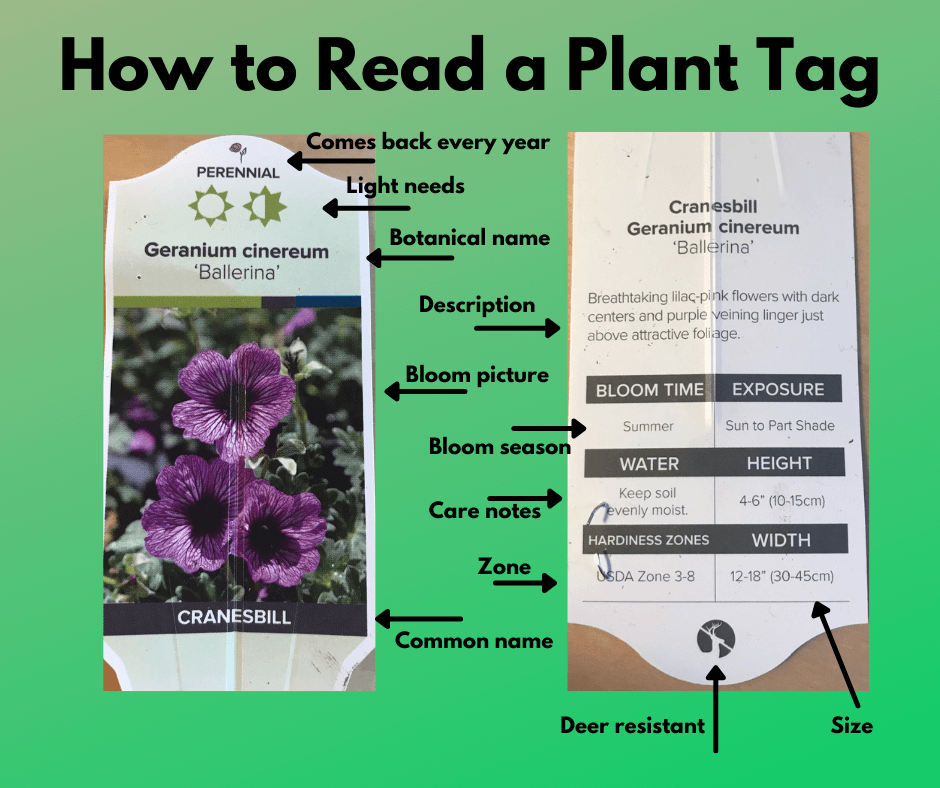
It’s a good idea to pick out plants that will bloom at different times of the year. However, one thing that beginners usually overlook is the appearance when out of bloom. Be sure to pick plants that you like the look of without flowers. Be alert for colors, textures, shapes, and leaves that catch your eye too.
Once you’ve brought home all of your new perennials, it’ll be time to plant! Spring and Fall are the best times of year to plant because you don’t have to water as much. This does not mean you cannot plant in Summer. If you’ve purchased a plant in Summer, you should plant it right away. Plants retain moisture better in the ground than in the pot, so getting it in the ground will mean less watering (not none).
You should already have an idea of your soil conditions, so you should know if you need to amend the soil. For poor soil, add Coast of Maine Compost. To plant with, use Coast of Maine Planting Mix or Roses and Flowers Blend.
The hole for a perennial does not need to be large. The hole should be the same depth as the root mass, and twice as wide.
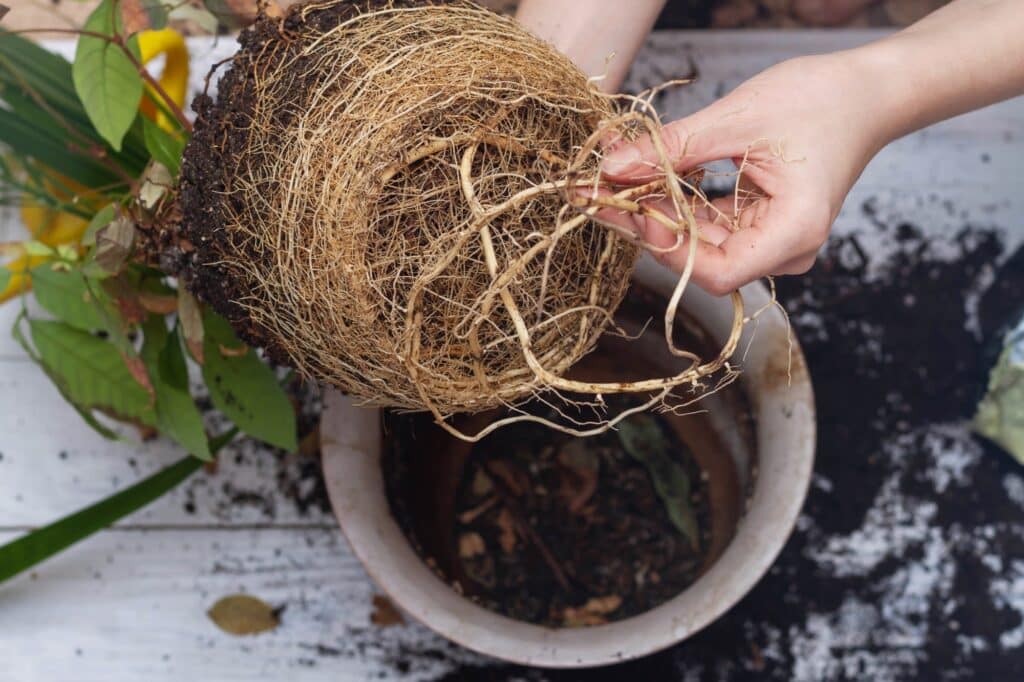
Take the plant out of the plastic pot and inspect the roots. The may look like the displayed image, if so we call this root bound. If your soil does not fall apart at all and has many tight fibrous roots, you will need to spread the roots out. It’s ok to be aggressive with roots that are far away from the stem and leaves but be more gentile towards the stem. After you’ve broken up the root mass, the perennial is ready to go in the ground.
Use BioTone starter fertilizer to give your perennials a headstart on robust growth. Just a pinch of BioTone into the bottom of the hole makes a world of difference. The mycorrhizae fungi form a relationship with the perennial, and provides it with nutrients necessary for growth.
After the plant has been placed in the hole and the roots are touching the BioTone, you can then backfill with your native soil or Coast of Maine soil. Make sure to not pack the soil in too tightly. 2-3 inches of mulch will also help retain moisture and protect the soil health. The most important step to perennial success is watering the first season. Be sure to water deeply and slowly right after planting, and continue to water as needed for the next few months. If you’ve followed all these steps and continue to water when needed, then you’ll have the most beautiful garden on the block!