
Growing Hydrangeas in the North East
Everyone loves seeing Hydrangeas in bloom. For some, they are reminded of blue color of the New England coast in summer. They can hold strong memories and sentimental value for others. Some people enjoy them for their beauty in floral arrangements. And others appreciate seeing them in the landscape. Whatever your reason for growing a Hydrangea is, there can be challenges that we face along the way. One of the most common questions in regard to Hydrangea cultivation is “why won’t my Hydrangea bloom?” It’s a simple question, but the answer will be different for everyone who asks. This guide will break it all down for you, so you can set your Hydrangeas up for success.
The first step to giving your Hydrangea the best chance to thrive is identifying what type of Hydrangea you have or want. There are 6 main species of hydrangeas which we commonly deal with in the garden. Smooth, Big leaf, Panicle, Oak leaf, Climbing, and Mountain. Smooth hydrangeas typically have a round or lace cap flower, usually white, and have long stalks that die back to the ground each year. Common varieties are Annabelle or Incrediball. Big Leaf Hydrangeas are also called macrophylla, and get their name from their thick glossy leaves. The blooms of these hydrangeas can be impacted by soil pH. Colors include blue, purple, pink, red, and white. Can have a circular flower or lace cap. Common varieties are Endless Summer Original and Let’s Dance Skyview. Panicle Hydrangea have a distinct cone shaped flower. This flower always starts white, and fades to a pink or red by fall. Common varieties are Limelight and Pinky Winky. Oak Leaf Hydrangeas have the same flower shape and color habits, however they have very large oak shaped leaves. These leaves turn a fantastic red color in fall as well. Common varieties are Snow Queen and Ruby Slippers. Climbing Hydrangeas are pretty clear to spot out as they climb and vine. Doesn’t have any notable cultivars. Mountain hydrangeas look very similar to Big Leaf Hydrangeas. However, they feature smaller leaves and a more delicate flower. Much less popular than Big Leaf. Most popularly cultivated is the Tuff-Stuff series.
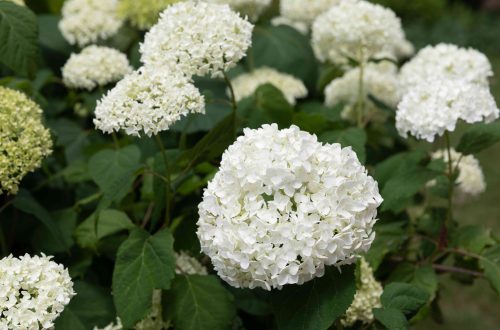
Hydangea arborescens – Smooth
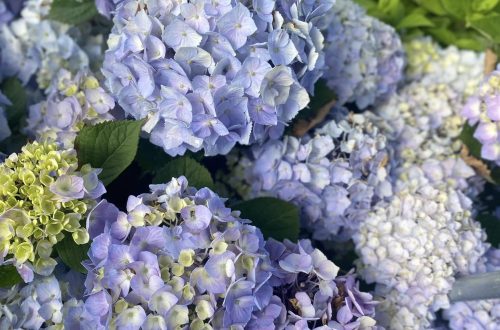
Hydrangea macrophylla – Big leaf
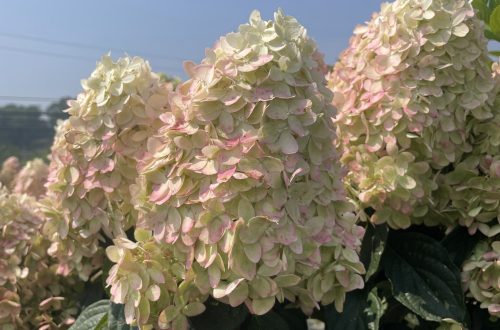
Hydrangea paniculata – Panicle
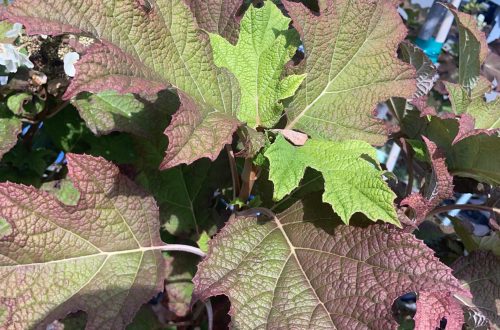
Hydrangea quercifolia – Oak leaf
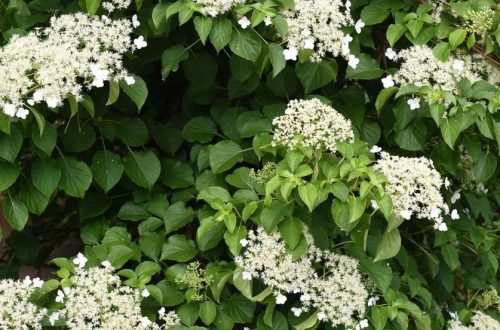
Hydrangea petiolaris – Climbing
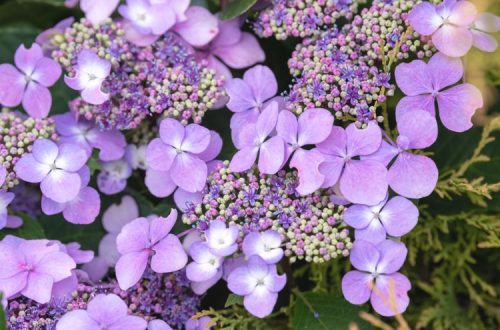
Hydrangea serrata – Mountain
Pruning is a big factor when it comes to the abundance of blooms on a plant. Each Hydrangea blooms differently. Some need old wood to bloom, and some can produce buds on new wood. Plants that bloom on old wood you want to typically avoid trimming so you can get the most flowers each year. You may trim to shape or remove dead material, but you generally don’t want to cut them back far if at all. Hydrangeas that bloom on old wood are Big Leaf, Oak Leaf, Climbing, and Mountain. Those that bloom on new wood are the Smooth and Panicle Hydrangea. Individuals that bloom on new wood can generally take a more aggressive pruning and bloom even better as a result of it. The diagram below will show how to prune based on the type of Hydrangea.
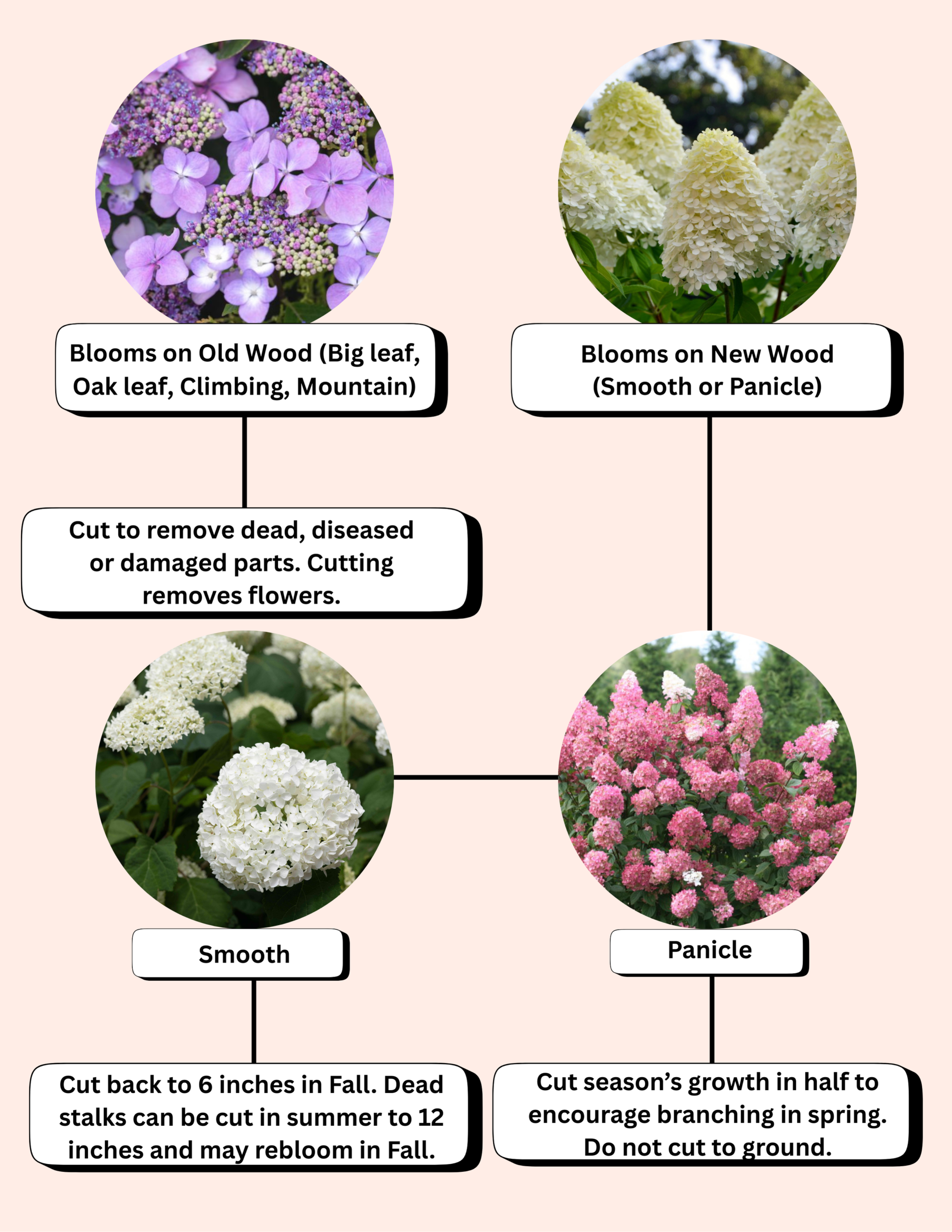
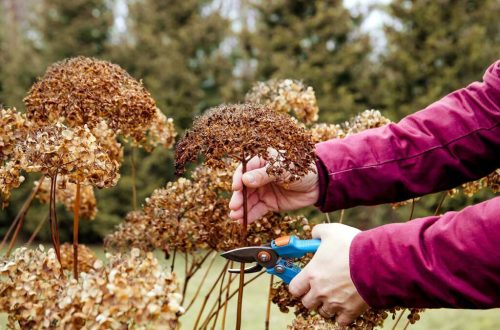
You may cut the dead blooms off of old wood bloomers. Also be sure to check for anything else dead damaged or diseased. Mid-April is a good time to know for sure what died off in winter.
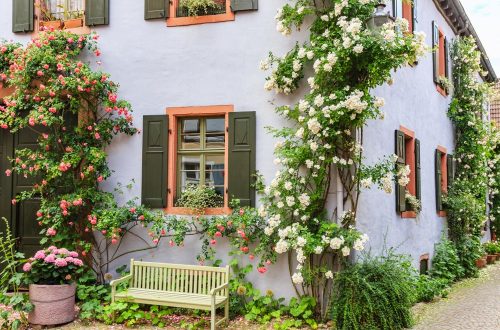
While Climbing Hydrangeas do need old wood for blooms, they can be aggressive once established. Be sure to prune after bloom to keep them from growing into unwanted areas.
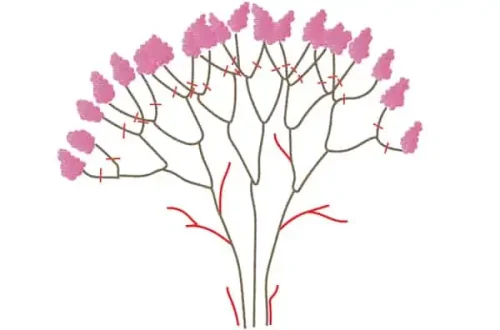
The red line is drawn about halfway or less along the new growth. In red shows where to cut a panicle Hydrangea. This is best when done in late fall or early spring before Mother’s Day. Ensures a robust shape.
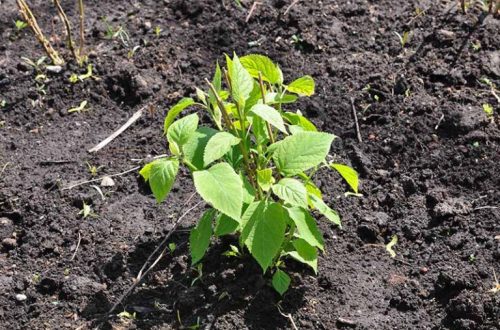
Smooth Hydrangeas can be cut back all the way down low. Don’t worry, they can grow up to 5 foot in one season!
The next most important thing to consider with your Hydrangea is the planting location. Not every type of Hydrangea likes the same conditions. While it is true that all Hydrangeas are heavy drinkers and need lots (more than you think) of water to establish, not all Hydrangeas can survive in the same spot. First, you should make sure that your Hydrangea is hardy in your zone. 43 Farms Hydrangeas are all hardy for zone 5 or colder. Once you know what type of hydrangea you have, you can then use that information to figure out how much sunbathing it can handle.
Most of the Hydrangeas we grow don’t like being outside in the heat too long. The only Hydrangea that can truly thrive with full sun is the Panicle Hydrangea. Be sure to provide the Panicle Hydrangea with an area that gets at least 6 hours of direct sun daily. The rest of the Hydrangea (Smooth, Big Leaf, Oak Leaf, Climbing, and Mountain) need either constant watering or a shadier spot. While full sun is too much, be sure to still select a spot that receives around 4 hours of direct sunlight. This will give the plant enough energy to produce flowers, while being gentle enough to not burn the plant. For even better results, try to pick a spot on the North or East side of your house, or shaded by a tree from the South or West. This placement will keep them out of the intense afternoon sun, and in a slightly cooler microclimate.
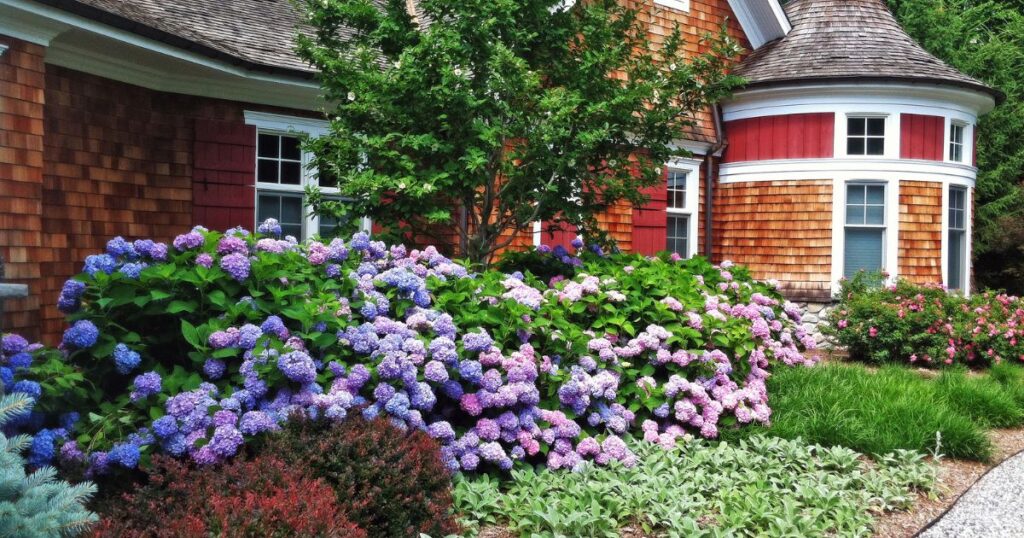
Hydrangea m. kept close to house limits the amount of watering needed.
Hydrangeas need lots and lots of water to establish. Water with 5 gallons daily until established. This can take 3-4 weeks and sometimes even more if conditions are stressful. Starting off with a good starter fertilizer like BioTone and a consistent watering schedule is the best way to get your hydrangea established. Stop into 43 Farms to purchase BioTone for your new Hydrangea.
One limiting factor for Hydrangea fans can be the presence of herbivores. The number one customers to the Hydrangea salad bar are deer. Deer enjoy nipping the flower buds directly off te plant before they get a chance to open. While it’s not unheard of, they typically avoid them once open. Many people face the struggles of ornamental gardening with the presence of deer. There are solutions to get your Hydrangeas to still produce blooms. Using a deer net, deer repellents or choosing a location where the deer don’t visit are some solutions to the challenge.
Of course, soil fertility can be a large factor also but usually isn’t a main reason for failure to bloom in a Hydrangea. Pick up some Coast of Maine Compost at 43 Farms and use FlowerTone to improve your soil’s health and fertility if needed. One or two feedings a year can encourage a more robust plant with bigger and more abundant blooms. pH is also a factor which can change the color of Big Leaf and Mountain Hydrangea flowers. Usually, a lower or more acidic pH will yield a lighter color, and a more alkaline or higher pH will yield a darker flower. Pick up SoilAcidifier or GardenLime from 43 Farms if you’d like to alter the pH for your Big Leaf or Mountain Hydrangea.
The final factor of a healthy blooming Hydrangea is determined by something out of our control. Mother Nature’s winter season has the potential to knock out the buds of Hydrangea that bloom on old wood. Panicle and Smooth that bloom on new wood are safe from this. The Big Leaf, Oak Leaf, Climbing, and Smooth all are slightly less reliable in areas with harsh winters. This is not to say they cannot be used in the landscape. However, one needs to properly plan for winter conditions. Some people protect them with burlap. Some select a location that is protected from harsh winds and is sheltered from the conditions. The unfortunate reality is that some buds may die off in the winter, which is why we wait to prune until April. In some situations, we need to accept that the kid of Hydrangea you want or have may not work out. It’s like trying to fit a square peg in a round hole. If we adjust the location or the individual, then you can have beautiful Hydrangeas every summer!
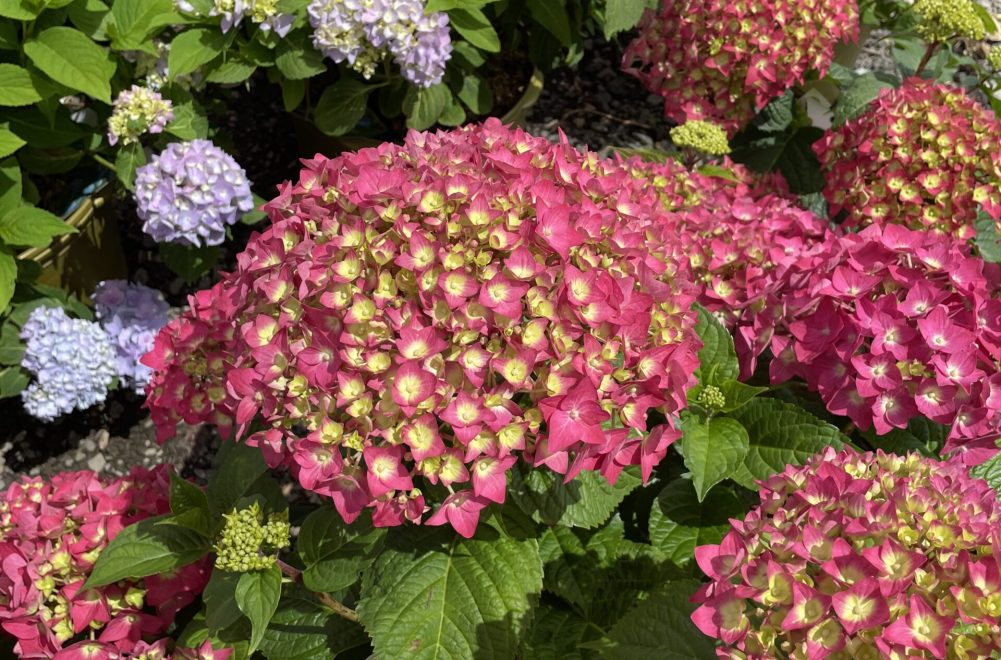
Big Leaf Hydrangea